

This Monday July 20 brings the war directly to Iraq’s doorstep in the most serious way yet. Over the weekend, the US-Iran conflict escalated dramatically as it entered its tenth day — and among the casualties was a US service member killed in Iraq on Saturday, alongside two others killed in Jordan on Friday. In response, the US launched fresh airstrikes on Iran. Oil surged about 30% from its July lows, with Brent above $90 a barrel following an attack on a Kuwaiti oil facility. Gold, meanwhile, slipped below $4,000. For Iraq — caught geographically and economically at the center of this conflict — this is a grave and consequential moment.
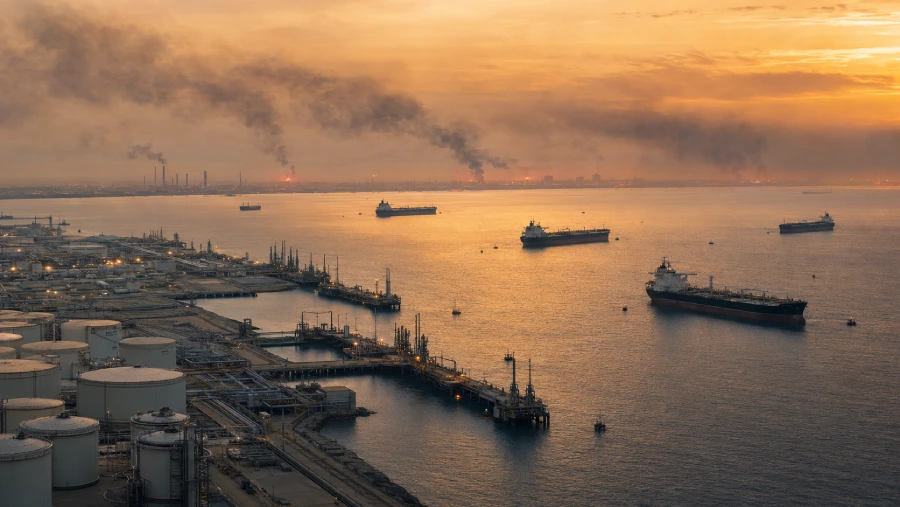
The escalation on Iraqi soil underscores how directly the country is affected. With a US soldier killed in Iraq and the broader Gulf region under intensifying strikes, the security situation is deeply concerning. Economically, the stakes are equally high. The Strait of Hormuz — through which Iraq, as OPEC’s second-largest producer, ships the oil that provides more than 90% of government revenue — is again severely disrupted, with Iran reporting it intercepted four vessels over the weekend. The attack on a Kuwaiti oil facility hits especially close to home, threatening the regional energy infrastructure that Iraq’s economy depends upon.
The oil price surge is a double-edged development for Iraq. Crude above $90, up about 30% from July lows, would normally boost revenue for an oil-exporting nation. But higher prices mean little if the oil cannot physically reach buyers through a disrupted and dangerous Strait of Hormuz. Elevated war-risk insurance, blocked shipping lanes, and the threat to vessels can more than offset any price gain. This is the painful arithmetic Iraq faces during every escalation.
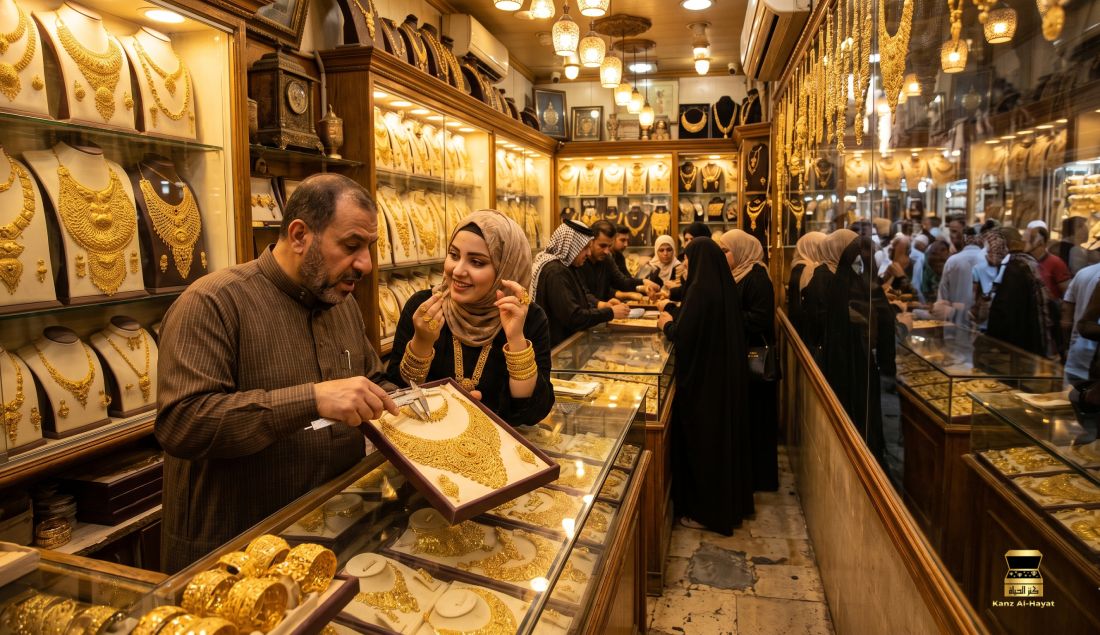
For Iraqi gold buyers, the paradox holds firmly. Despite war on the nation’s doorstep, gold has fallen below $4,000 — because the oil surge drives inflation fears, which push the US Federal Reserve toward raising interest rates, which pressures gold. Several Fed officials are now openly calling for a hike, and September odds have risen to about 53%. This is why gold trades near a nine-month low rather than rallying on the conflict.
Yet for Iraqi families who hold gold as a store of wealth across generations, the long-term case remains firmly intact — and gold’s role has rarely felt more relevant. Gold below $4,000 is roughly 28% under January’s record of $5,597, yet still up around 18% over the past twelve months. The world’s central banks continue to accumulate aggressively: China’s central bank has been buying at its fastest pace in more than two and a half years. And critically, gold’s recovery is tied to peace: a genuine ceasefire would lower oil, ease inflation, free the Fed to cut, and lift gold — the very same outcome that Iraq’s economy and people most need.
For a nation that has weathered wars, sanctions, and upheaval across generations, this escalation is a hard and sobering moment. But gold continues to serve its timeless role — preserving wealth through exactly these kinds of crises. For Iraqi buyers, gold below $4,000 offers among the most attractive prices of the year, backed by relentless central bank demand. The July 29 Fed decision and any movement toward a ceasefire are the key events to watch.
Today’s prices: 24K — $128.55/gram | 22K — $117.85/gram | 21K — $112.45/gram
All prices USD. Indicative only. Highly volatile market. Please confirm in store.