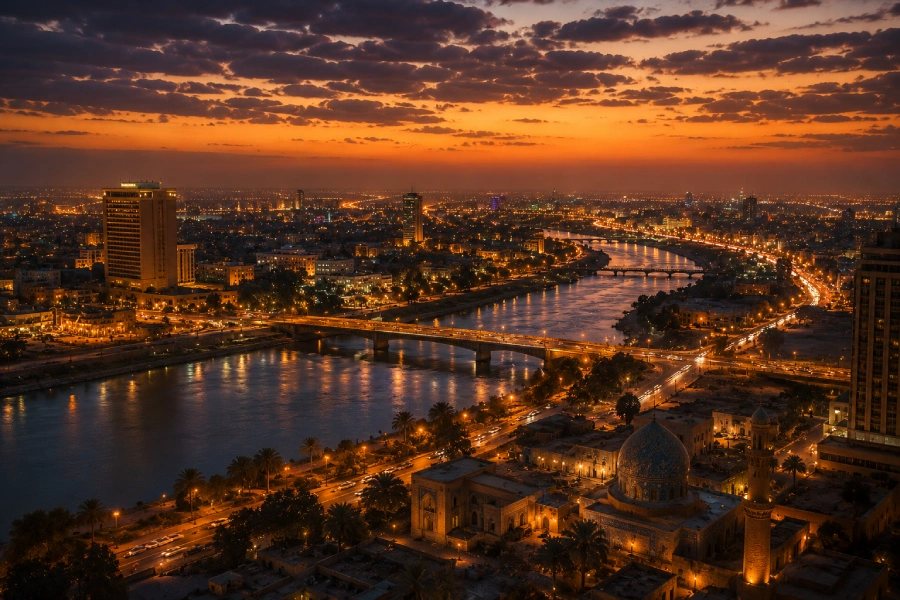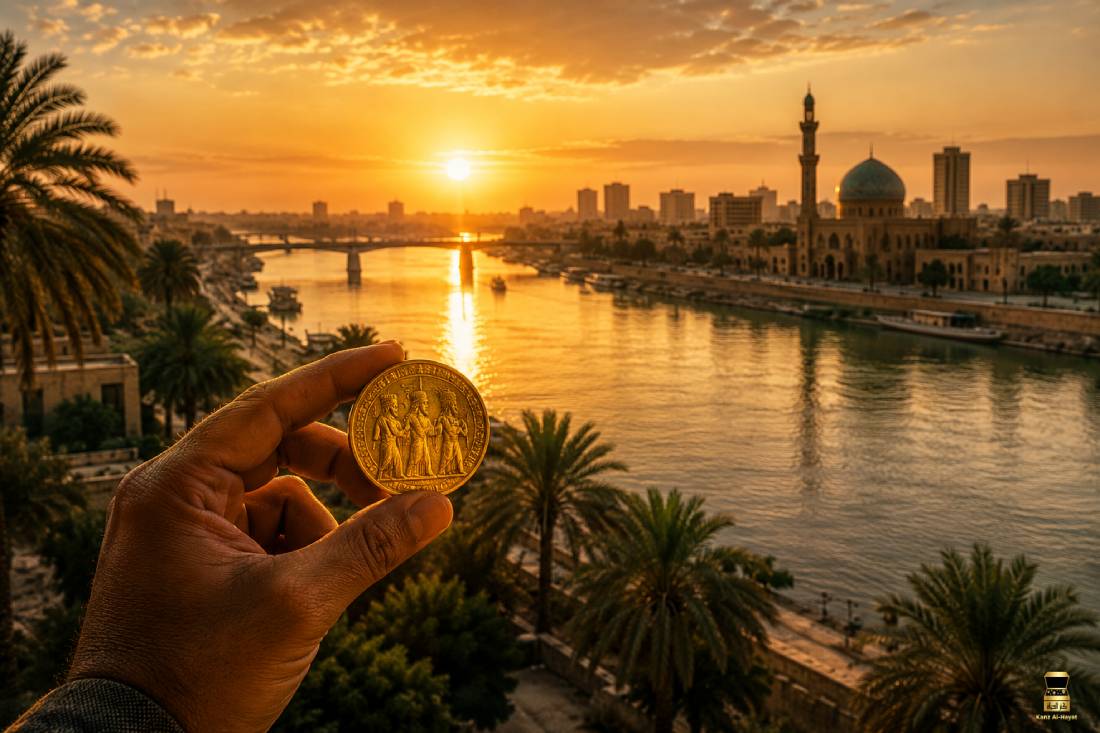


This Monday June 29 finds Iraq at the centre of a tense and fast-moving regional situation. Over the weekend, the conflict between the US and Iran escalated sharply — Iran struck US bases in neighbouring Kuwait and Bahrain, and hit ships in the Strait of Hormuz. Iraq’s foreign relations are directly affected: Iran’s foreign minister Abbas Araghchi made his statements about the Strait of Hormuz during a trip to Baghdad itself. Meanwhile gold, which Iraqi families hold through every period of turmoil, trades near $4,000, down about 1.7% today. For Iraq, this is a pivotal moment on multiple fronts.
The escalation could hardly be closer to Iraq. Iran struck the US Ali Al Salem airbase in Kuwait and the US Fifth Fleet in Bahrain — both neighbours of Iraq — after the US struck five Iranian targets. Trump warned Iran “will no longer exist” if strikes continue; Iran threatened to halt all diplomatic processes. The UAE, Jordan, Oman, Kuwait, and Bahrain all condemned the attacks. Yet both sides have agreed to resume talks in Doha, Qatar, tomorrow, June 30. For Iraq, which shares a long border with Iran and deep ties across the region, the stakes of these talks are enormous — a genuine peace would stabilise the entire neighbourhood, while a collapse would risk drawing the region back into wider conflict.
The Strait of Hormuz remains central to Iraq’s economic interests. Iran’s foreign minister, speaking in Baghdad, said the strait will return to pre-war capacity within 30 days under Iranian management. For Iraq, OPEC’s second-largest producer with more than 90% of government revenue tied to oil exports through Gulf waterways, the reopening of Hormuz is vital. Notably, oil prices have fallen to war-period lows — Brent around $72, US crude around $70 — as the market bets on Hormuz reopening. For Iraq, this is a double-edged development: a reopened strait restores export volumes, but lower oil prices reduce revenue per barrel, pressuring the national budget.
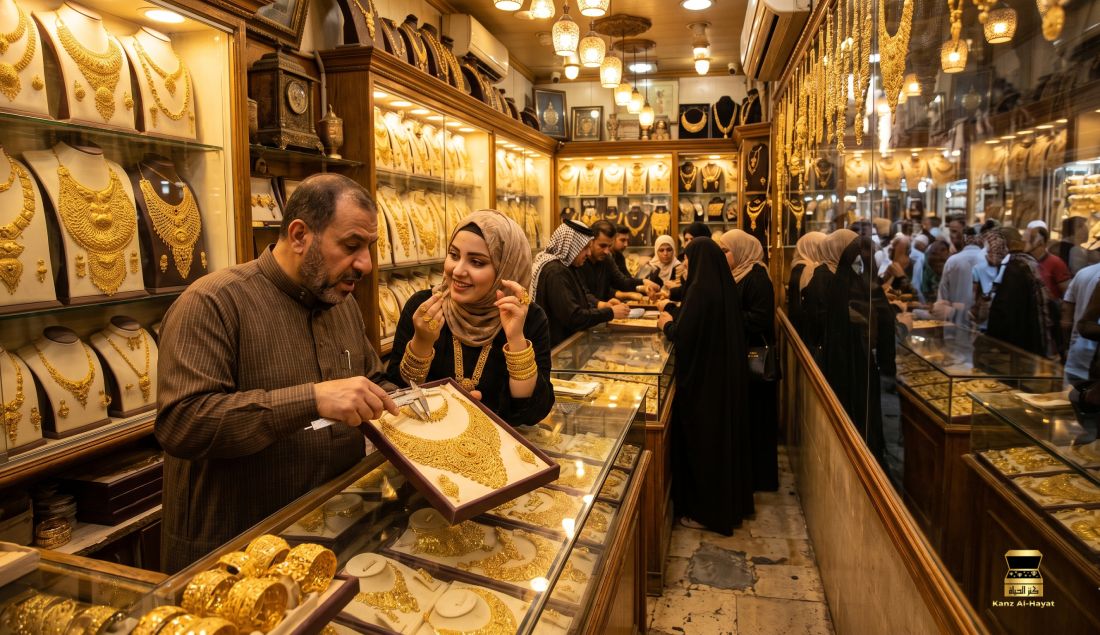
For Iraqi gold buyers, today’s market carries an important lesson. Despite war on the region’s doorstep, gold has fallen rather than risen — because the US Federal Reserve’s hawkish stance and the strong dollar have outweighed the safe-haven demand that conflict normally generates. Markets price roughly three Fed rate hikes this year. This is why gold near $4,000 is down about 10.5% this month.
But the long-term foundation remains firmly in place. Gold is still up 21.6% over the past year. Global bar-and-coin demand reached 474 tonnes in Q1 2026, the second-highest on record and up 42% year-over-year, and roughly 90% of central banks expect to increase their reserves over the coming year.
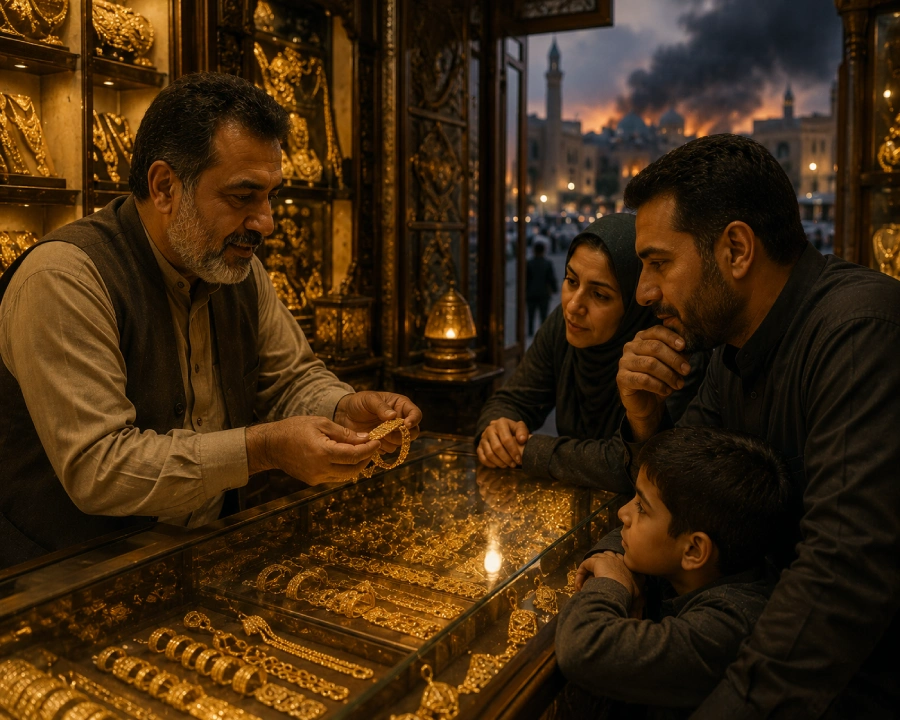
For a nation that has held gold through wars, sanctions, and upheaval across generations, this moment reinforces gold’s enduring role. The conflict next door is dangerous and the situation is fluid, but the forces pressuring gold’s price — Fed hawkishness and a strong dollar — are cyclical and will eventually turn. The deeper reasons Iraqi families hold gold — its proven ability to preserve wealth
through turmoil, and the relentless accumulation by the world’s central banks — remain as strong as ever. This week’s US jobs report and tomorrow’s Doha talks are the key events to watch. Gold near $4,000 represents the most attractive prices in months for those who hold gold as a long-term store of value.
Today’s prices: 24K — $129.50/gram | 22K — $118.70/gram | 21K —
$113.30/gram
All prices USD. Indicative only. Please confirm in store.