

This Monday July 6 brings a calmer and more constructive picture for Iraq and the region than the turbulence of recent weeks. Gold has stabilized near $4,150 per ounce after recovering about 2% last week, oil has settled around $70 a barrel as the Strait of Hormuz continues to recover, and the US-Iran ceasefire is holding. For Iraq — a nation at the heart of the region’s oil economy and a longtime holder of gold — this steadier environment offers cautious optimism, even as important questions remain.
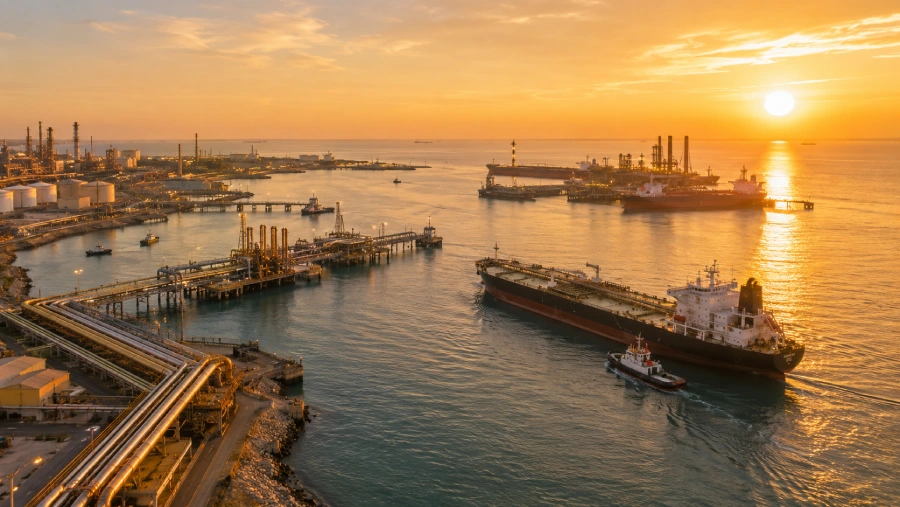
Begin with the Strait of Hormuz, which matters more to Iraq’s economy than almost any other factor. Commercial shipping through the strait continues to recover following the recent agreement, and this recovery in energy flows has helped push oil prices lower, toward $70 a barrel. For Iraq, OPEC’s second-largest producer with more than 90% of government revenue tied to oil exports through Gulf waterways, the normalization of Hormuz shipping is essential — it allows Iraqi oil to flow reliably to Asian markets and eases the elevated costs that strained the economy during the conflict.
The oil price picture, however, cuts both ways for Iraq. Crude near $70 reflects not only the Hormuz recovery but also the prospect of increased OPEC+ supply, which has raised concerns about a potential global oil glut. For Iraq’s government revenue, lower oil prices per barrel are a genuine challenge to the national
budget. Yet the return to stable, predictable pricing and normalized shipping is, over the long term, more valuable to Iraq’s economic planning than the volatile disruption of the war period. The balance between recovered export volumes and lower prices per barrel will be important to watch in the months ahead.
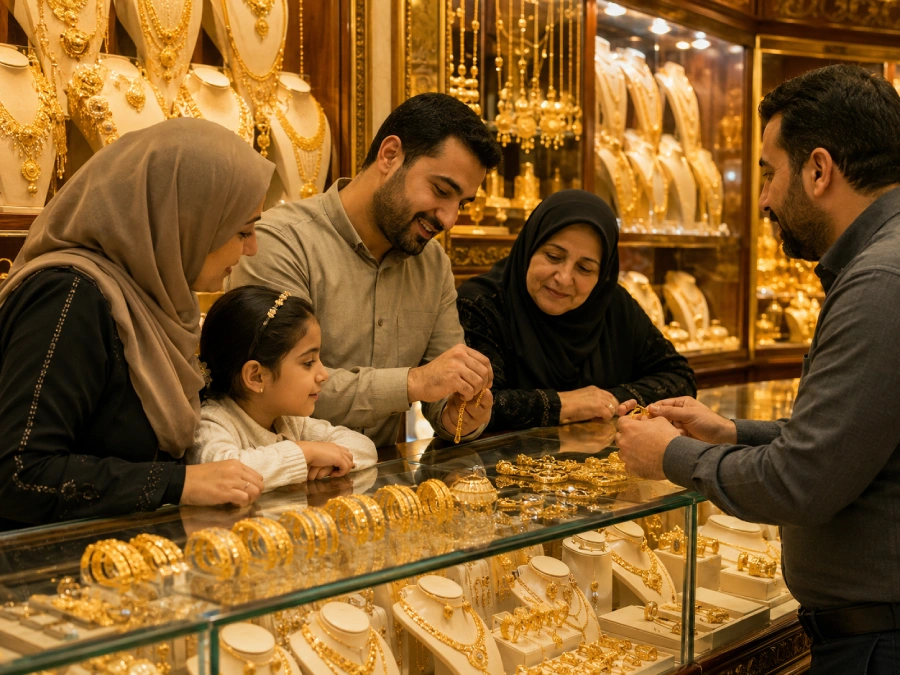
For Iraqi gold buyers, last week’s recovery is encouraging. Gold had fallen to an eight-month low near $4,000 as fears of aggressive US Federal Reserve rate hikes dominated. Then a weak US jobs report — just 57,000 jobs added in June versus 110,000 expected — eased those fears, cutting the odds of a September hike from 66% to around 50%, and gold rose about 2%. This week, the focus turns to Wednesday’s Fed meeting minutes, which will offer clues about the central bank’s next move.
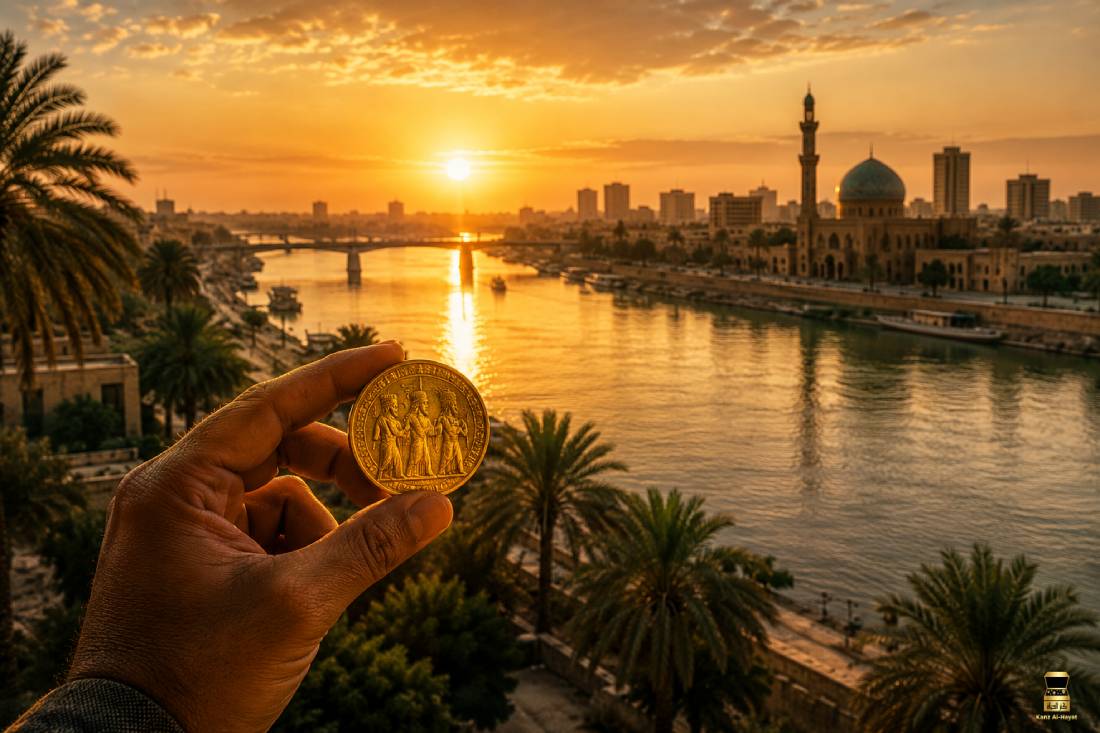
The long-term foundation for gold remains firmly in place, which matters deeply for Iraqi families who hold gold as a store of wealth across generations. Gold at
$4,150 is up 24.4% over the past year. The world’s central banks continue to accumulate strongly: they added a net 41 tonnes in May — the second-highest monthly total of the year — led by Poland with 18 tonnes and China with 10 tonnes, with full-year 2026 sovereign buying projected near 850 tonnes. This steady official demand provides a durable floor beneath the price.
For a nation that has weathered wars, sanctions, and upheaval across generations, this calmer week is welcome. The ceasefire is holding, Hormuz is recovering, oil has steadied, and gold has begun to rebuild. Challenges remain — the situation is still fragile, and the coming weeks will test whether the progress holds — but for those who hold gold, the combination of a recovering price and relentless central bank demand offers genuine reassurance. This week’s Fed minutes and next week’s CPI report on July 14 are the key events to watch.
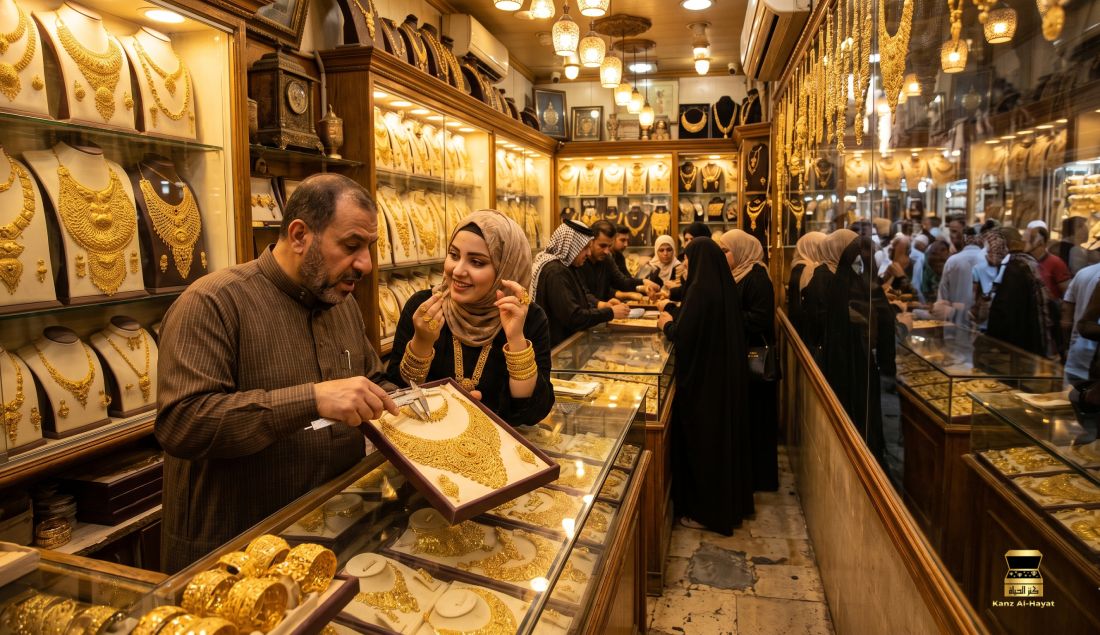
Today’s prices: 24K — $133.30/gram | 22K — $122.20/gram | 21K —
$116.60/gram
All prices USD. Indicative only. Please confirm in store.