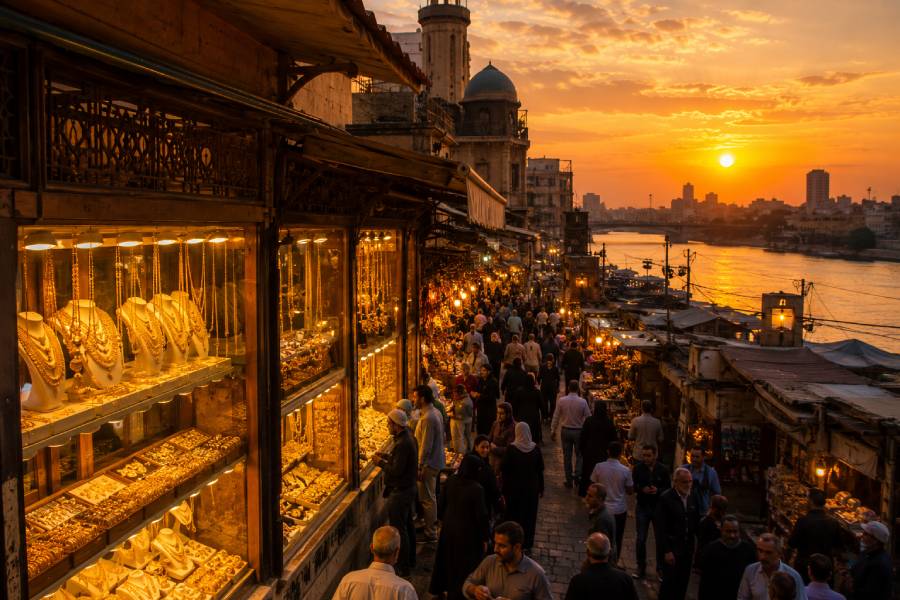


Gold is at $4,539 per ounce this Saturday May 16, and for Iraqi buyers this is a week with threads that connect directly from the Baghdad gold market to the boardrooms of Beijing. More than any other country, Iraq sits at the intersection of every force that moved gold this week — and every force that will move it next week.
This week’s inflation data was devastating for gold’s short-term price. April US CPI came in at 3.8%, the highest since May 2023. April PPI surged at the fastest pace since 2022. Both are driven by Brent crude at $101 to $106 per barrel because of the Strait of Hormuz closure. That waterway — which runs alongside the Iraqi coastline and through which Iraq’s own oil exports partially flow — has been the single largest driver of global inflation since February 28. Iraq is both a beneficiary of the elevated oil price in headline revenue terms and a victim of the regional disruption that comes with it.
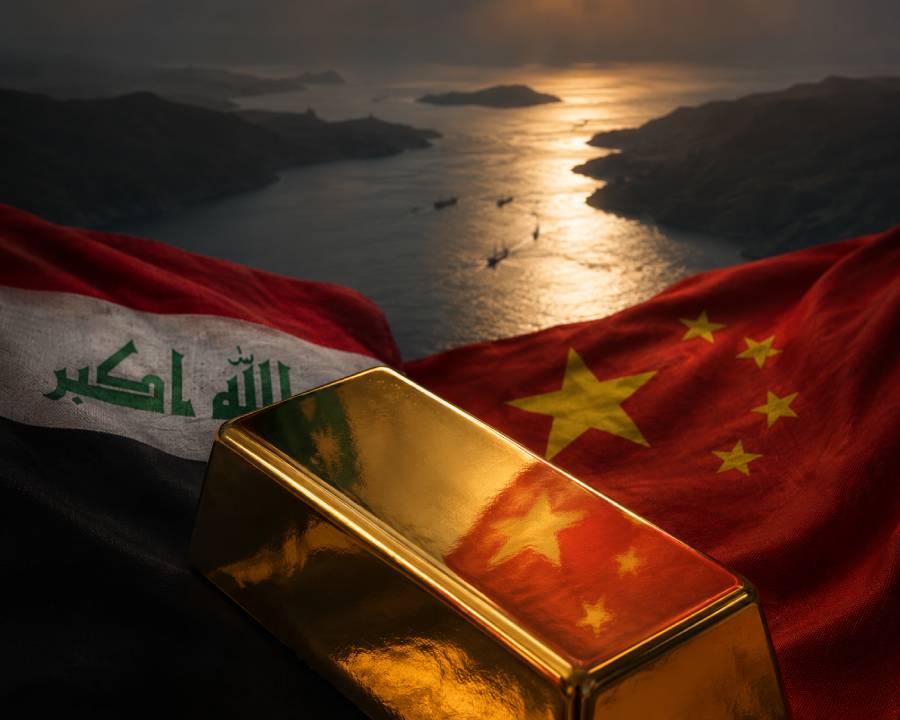
Now come the diplomatic developments that matter most for Iraq’s future. The Trump-Xi summit concluded Friday with a joint statement that “the Strait of Hormuz must remain open to support the free flow of energy.” China publicly opposed the militarisation of Hormuz. Xi told Trump he would not supply Iran with military equipment. Chinese vessels reportedly began transiting the Strait under new management protocols. US National Security Advisor Mike Waltz called it “a huge outcome of this summit” to see “the Chinese backing away from Iran.”
For Iraq, a Hormuz reopening is not just a gold market story. It is an economic lifeline. Iraq’s oil exports depend on Gulf shipping routes. The regional insurance costs, the shipping disruptions, the uncertainty around Gulf transit — all of these have been imposing real costs on Iraqi trade even as the headline oil price appears elevated. A genuine resolution of the Hormuz conflict, now closer than at any point since the war began, would stabilise Iraqi trade, reduce regional inflation, and ease pressure on the Iraqi dinar.
For Iraqi gold buyers, the current price of $4,539 — the lowest since early March — represents a 18.9% discount from January’s all-time high of $5,595. The structural story for gold, which drove a 41.7% year-on-year gain, has not changed. What has changed is the short-term mechanical pressure from oil-driven inflation and rate hike fears. Both of these pressures have a known, identifiable cause — the Hormuz closure — and a known, identifiable solution — a US-Iran deal. The Beijing summit just moved that solution meaningfully closer.
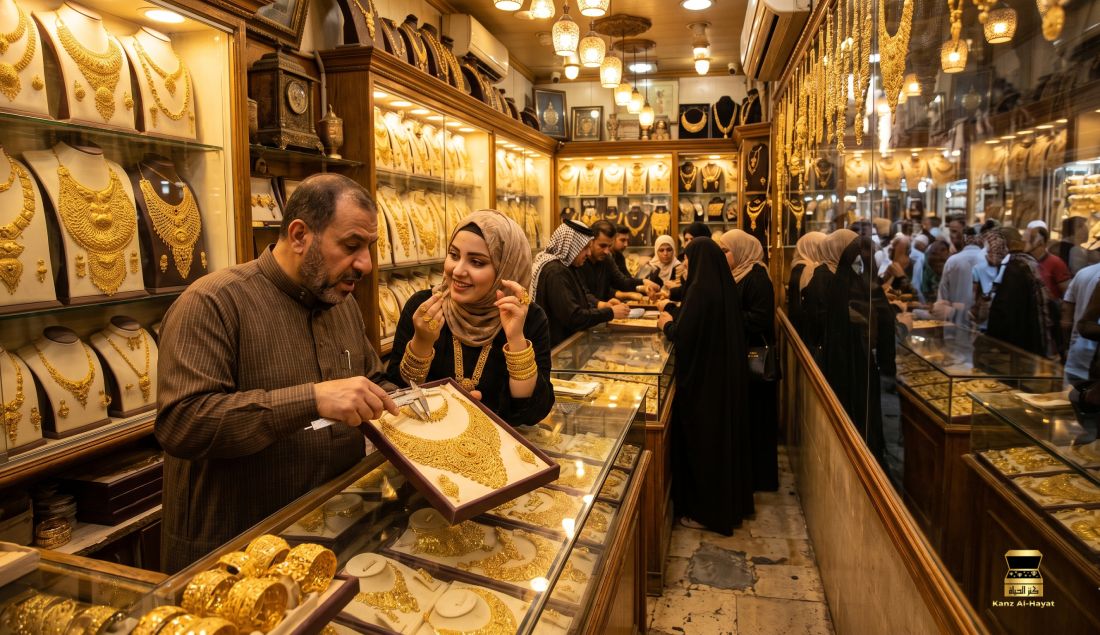
For Iraqi families who have maintained the discipline of buying and holding gold through wars, sanctions, and political upheaval, this week’s dip to $4,539 is familiar territory. The gold bought at lower prices has always eventually been vindicated by history. Goldman Sachs targets $5,400 by year-end. That is a 19% gain from today.
Today’s prices: 24K — $145.96/gram | 22K — $133.80/gram | 21K — $127.72/gram All prices USD. Saturday indicative rates. Markets reopen Monday.