

This Monday July 27 brings the most hopeful news the region has seen in weeks. After 13 days of intense strikes, the US and Iran have paused their fighting, and for a third consecutive night neither side attacked. Oil prices crashed in response, and gold rose above $4,100. For Iraq — positioned at the very heart of this conflict, both geographically and economically — this fragile calm is deeply welcome, even as significant uncertainty remains. Here is what it means.
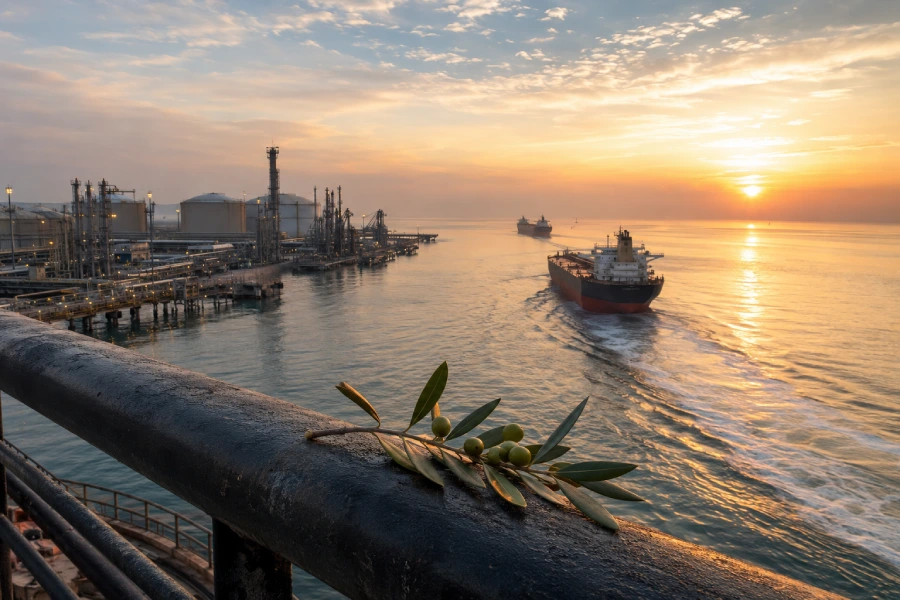
Begin with oil and the Strait of Hormuz, which matter more to Iraq than to almost any other nation. The pause in fighting eased fears about oil supply disruption, sending Brent crude tumbling from near $100 toward $92 a barrel. Iran held talks with Oman over the Strait of Hormuz — a potentially important development, since the strait, through which Iraq ships the oil that provides more than 90% of government revenue, has been effectively closed to normal tanker traffic during the conflict. Any move toward reopening it would be enormously beneficial for Iraq’s economy, restoring the reliable export flows the nation depends upon.
Yet honesty about the situation is essential. Diplomats describe this as a tactical pause, not a formal ceasefire. Critically for the region, Iran-backed Houthi forces continued attacking Saudi oil infrastructure over the weekend, striking facilities at the Red Sea ports of Jizan and Yanbu. And the Strait of Hormuz remains effectively closed for now. The calm is real but fragile, and the situation could re-escalate quickly.
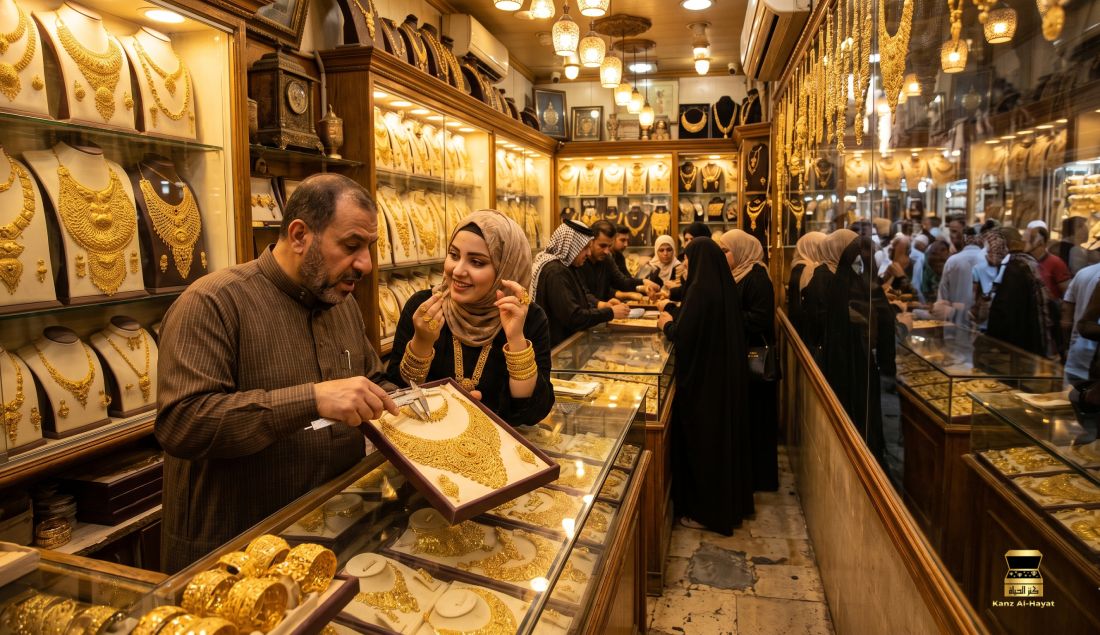
For Iraqi gold buyers, this weekend marked a notable shift. Throughout the war, gold fell because the conflict drove oil up, which raised inflation, which kept the US Federal Reserve hawkish — all of which pressured gold. This weekend, that chain reversed: the pause sent oil down, which eases inflation and relieves the Fed, finally allowing gold to rise. For the first time, the easing of the war helped gold rather than hurting it. This is why gold climbed above $4,100 even as the immediate safe-haven demand eased.
For Iraqi families who hold gold as a store of wealth across generations, the long-term picture remains strong. Gold near $4,095 is about 27% below January’s record of $5,597, yet up roughly 19% over the past year, and it has held firmly above $4,000 since late June. The structural foundation is exceptionally strong: central banks bought a net 41 tonnes of gold in May, and a record 45% plan to buy more this year. And there is a hopeful alignment here — the same durable peace that would lift gold is exactly what Iraq’s economy most needs, since it would reopen Hormuz, restore oil flows, and stabilise the region.
For a nation that has weathered wars, sanctions, and upheaval across generations, this fragile calm is a moment of cautious hope. The pause could hold and deepen into real peace, or it could collapse — the coming days will tell. The Federal Reserve’s decision on Wednesday July 29 is the other key event this week. For Iraqi buyers, gold near $4,095 remains at attractive levels, backed by relentless central bank demand, and for the first time in weeks, the news offers genuine reason for hope.
Today’s prices: 24K — $131.50/gram | 22K — $120.55/gram | 21K — $115.10/gram
All prices USD. Indicative only. Volatile market. Please confirm in store.