

This Thursday July 24 finds the region in a watchful, uncertain pause. Talks between the US and Iran are awaited in Qatar, though no direct negotiations are expected, and the conflict continues with disruption to Hormuz and Red Sea shipping. Meanwhile gold dipped about 2% to around $4,050 per ounce after the US reported its strongest labor market data in decades. For Iraq — economically tied to the oil that flows through the region’s waterways and to the gold its families hold — this is a moment of careful watching on multiple fronts.
Begin with the diplomatic track, which matters greatly to Iraq. Mediators including Qatar and Pakistan continue their efforts, and talks are awaited in Qatar aimed at salvaging a longer-term ceasefire. However, no direct talks between the parties are expected at this stage, and the fighting continues. For Iraq, OPEC’s second-largest producer with more than 90% of government revenue tied to oil exports through Gulf waterways, a genuine ceasefire would be enormously beneficial — restoring reliable export flows and easing the elevated costs that the conflict has imposed. The absence of direct talks is a reminder that a durable resolution remains elusive.
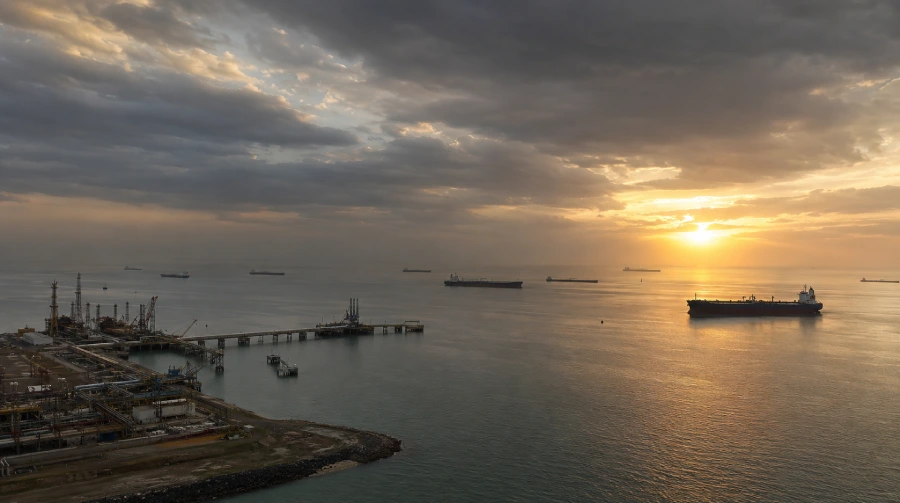
The oil market underscores Iraq’s stakes. Crude remains elevated, with Brent near $97 and WTI near $89 a barrel, reflecting the ongoing disruption to shipping lanes. For an oil-exporting nation, higher prices per barrel would normally boost revenue — but the disruption to Hormuz and the Red Sea, including Houthi threats to shipping, means the oil must navigate real danger and higher insurance costs to reach buyers. The elevated price and the disrupted logistics pull in opposite directions for Iraq’s economy.
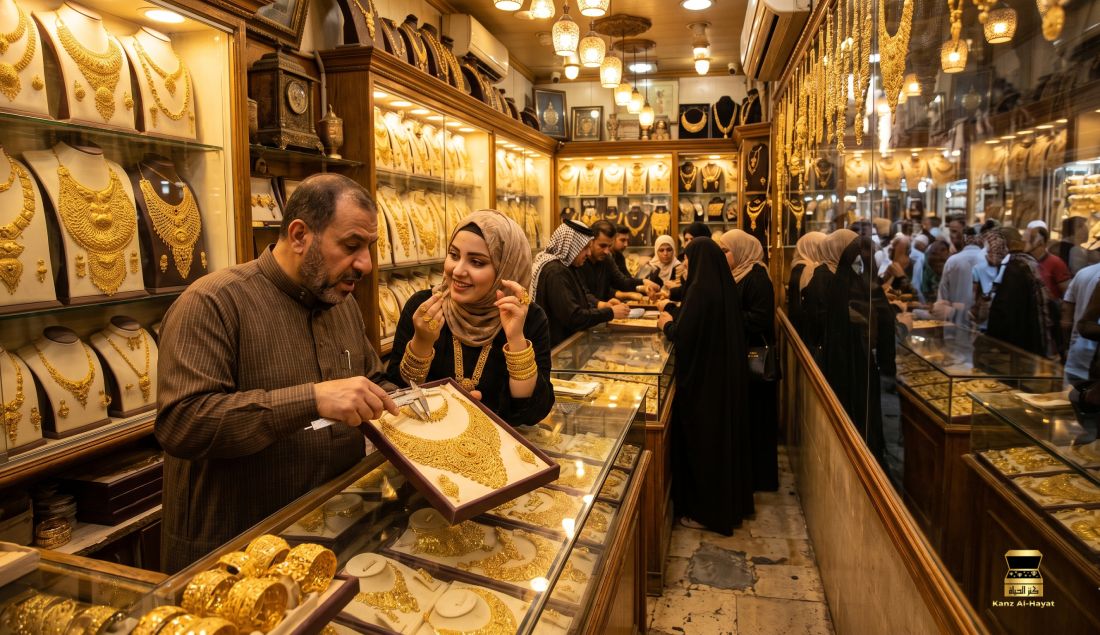
For Iraqi gold buyers, Thursday’s dip reflected forces far from the region. US jobless claims fell to their lowest since 1969, signalling a strong economy that lets the Federal Reserve keep interest rates high — and high rates weigh on gold, which pays no yield. This is why gold fell despite the ongoing war; the strong US labor data outweighed the safe-haven bid on the day. Firm Treasury yields and elevated oil added to the pressure.
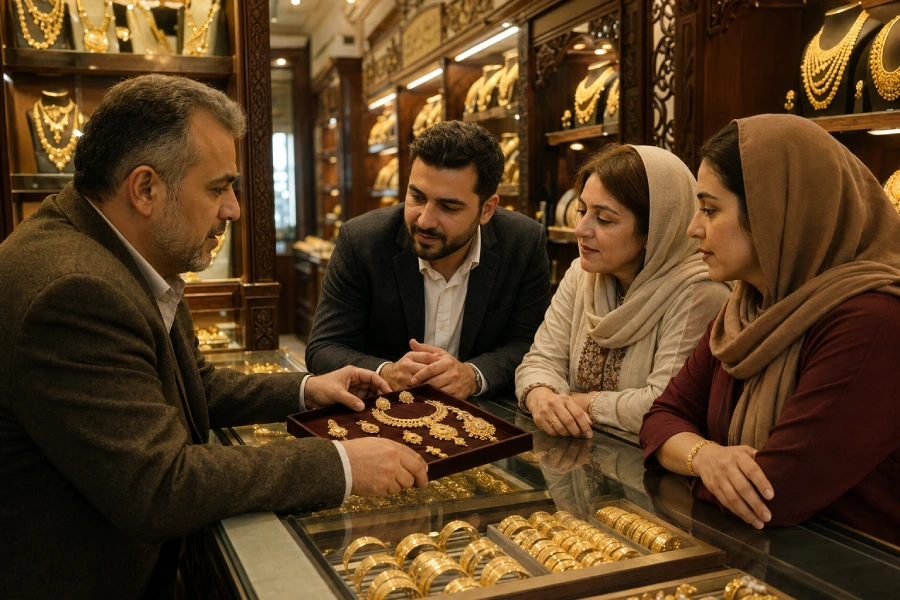
Yet for Iraqi families who hold gold as a store of wealth across generations, the long-term case remains firmly intact. Gold near $4,050 is about 27% below January’s record of $5,597, yet still up roughly 20% over the past year. The structural foundation is exceptionally strong: central banks bought a net 41 tonnes of gold in May, and a record 45% of central banks surveyed plan to buy more over the coming year. This is a long-duration strategic demand that endures regardless of short-term rate expectations — the same logic that has led Iraqi families to trust gold for generations.
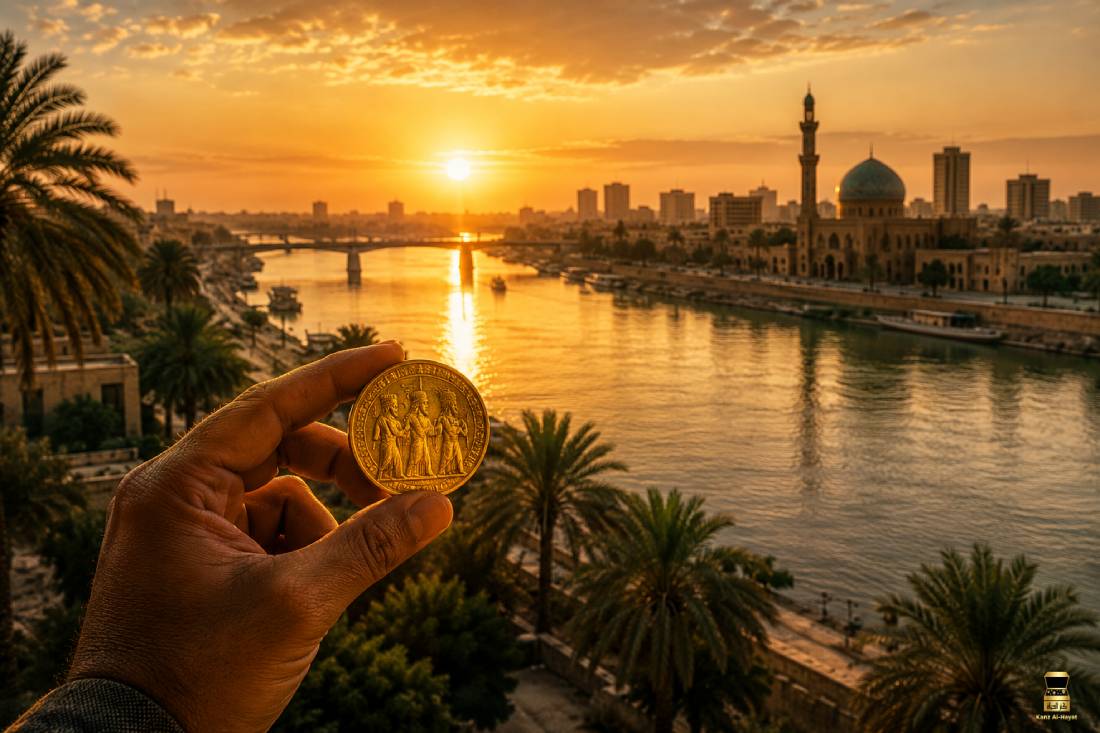
For a nation that has weathered wars, sanctions, and upheaval across generations, this watchful pause is a time for patience. The diplomatic track continues, however slowly; the oil market remains disrupted; and gold, though dipping on strong US data, retains its enduring value. The decisive near-term event is the Federal Reserve’s meeting on July 28–29, which will shape gold’s direction. For Iraqi buyers, gold near $4,050 offers attractive value, backed by relentless central bank demand.
Today’s prices: 24K — $130.20/gram | 22K — $119.35/gram | 21K — $113.95/gram
All prices USD. Indicative only. Volatile market. Please confirm in store.