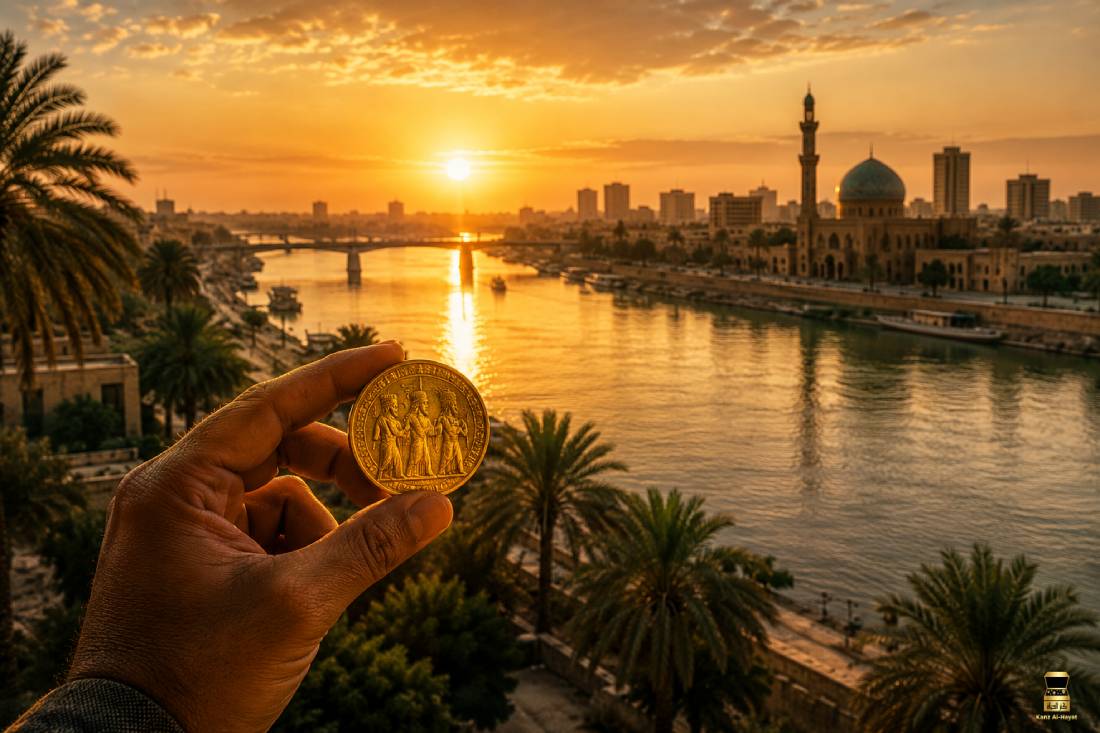


Today, Friday June 19, the formal signing ceremony in Switzerland brings the US-Iran war to its official close — a conflict that began February 28 and weighed on Iraq more heavily than almost any nation. For Iraqi families, businesses, and the gold market, this is a moment of genuine significance. Gold sits at approximately $4,300 per ounce, caught between Wednesday’s hawkish Federal Reserve and the peace deal that is ending the war and sending oil tumbling toward $78 per barrel.
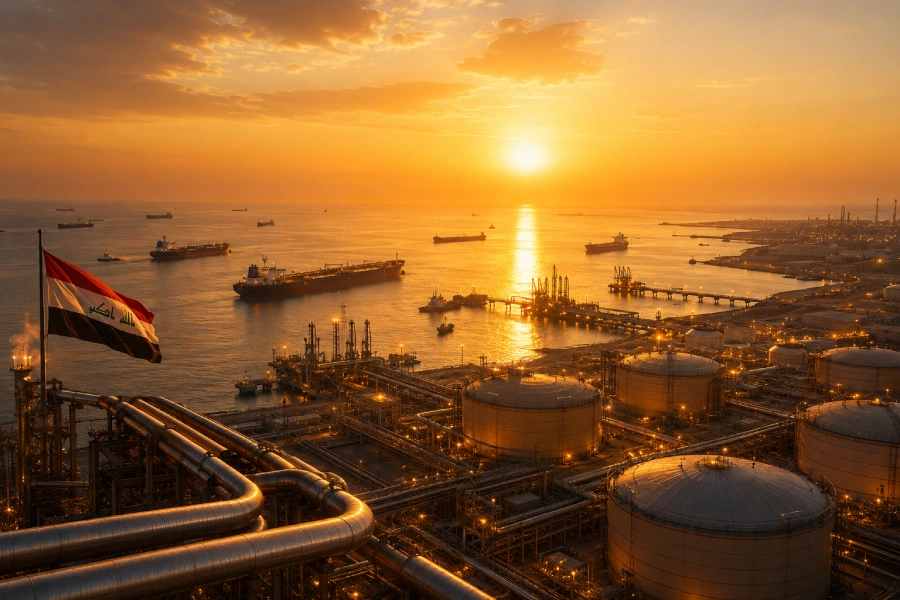
For Iraq, the end of the war is first and foremost an economic relief. As OPEC’s second-largest producer, with more than 90% of government revenue tied to oil exports through Gulf waterways, Iraq spent nearly four months absorbing the costs of the Strait of Hormuz closure: disrupted shipping, elevated tanker insurance, reduced buyer access, and pressure on the dinar. The peace deal commits to reopening Hormuz, and the formal signing today moves that commitment toward reality. The actual de-mining and full reopening timeline is still being negotiated within the deal’s 60-day window, but the direction is now locked: Iraqi oil will flow freely to Asian markets again, and the disruption costs that strained the economy will ease.
The falling oil price is a more complex picture for Iraq. Brent has collapsed toward $78 — a three-month low — which means lower revenue per barrel for an oil-exporting nation. But the normalisation of shipping, the return of buyers, and the easing of insurance and logistics costs partially offset the lower price, and a stable, predictable export environment is worth more to Iraq’s long-term planning than the volatile high prices of wartime. A peaceful region also opens the prospect of Iraq participating in the reconstruction of a post-war Iran.
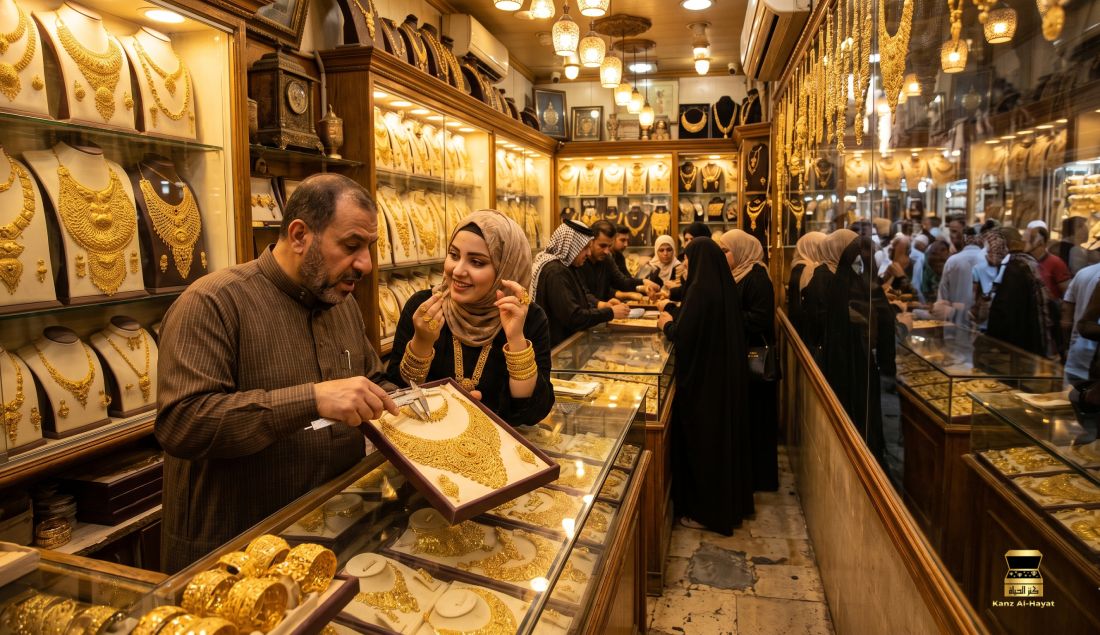
For Iraqi gold buyers and investors, today’s environment is the most favourable in months despite the price sitting at $4,300. Here is why. The hawkish Federal Reserve decision on Wednesday — nine of eighteen officials projecting a 2026 rate hike — pushed gold down in the short term. But that hawkishness is a reaction to the 4.2% inflation the war created, and with the war now ending and oil collapsing, that inflation will fade over the coming months, eventually forcing the Fed to soften. When it does, gold’s structural forces take over. Central banks bought 244 tonnes in Q1 2026, China has accumulated for 17 to 18 consecutive months, and the World Gold Council’s 2026 survey found 45% of central banks plan to buy more over the next year.
The institutional outlook reflects this. Every major bank’s year-end target sits well above today’s price: Goldman Sachs $5,400, J.P. Morgan near $6,000, Morgan Stanley $5,200, UBS $5,500. Gold remains 23% below its January record of $5,589.
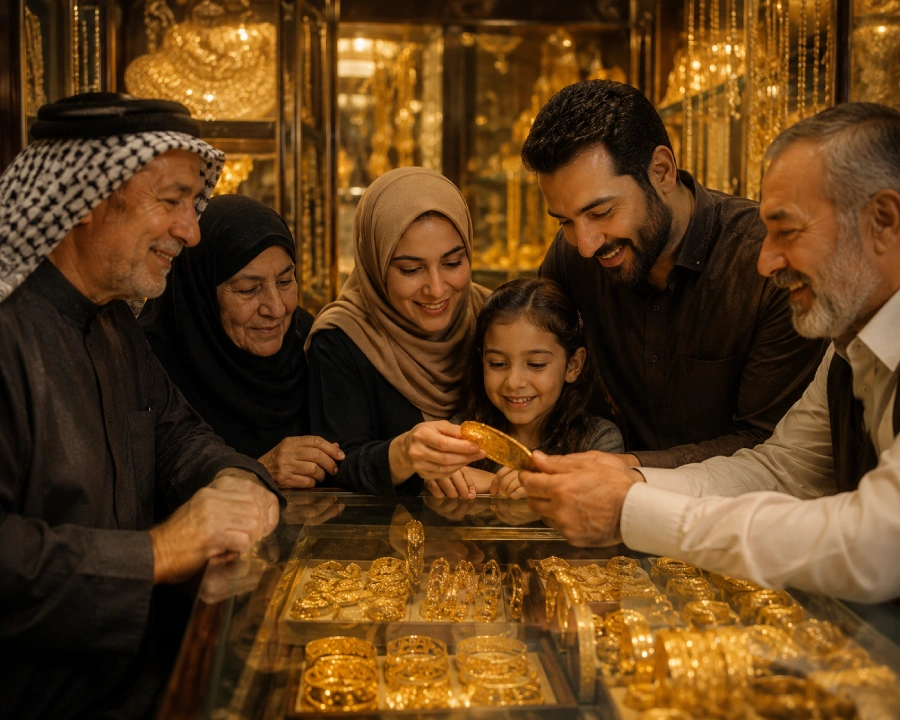
For a nation that has held gold through wars, sanctions, and upheaval across generations, the signing in Switzerland today is a moment of relief and hope. The war that suppressed gold and strained Iraq’s economy is ending. The recovery — economic and in the gold price — has a clear path, even as the Fed’s short-term hawkishness creates some near-term turbulence. One note for today: US markets are closed for the Juneteenth holiday, so trading is thinner and prices may move more sharply.
Today’s prices: 24K — $137.52/gram | 22K — $126.06/gram | 21K — $120.31/gram
All prices USD. Indicative only. Please confirm in store.