

As July draws to a close this Friday July 31, Iraq faces a complex but partly hopeful picture. Gold has eased to around $4,060 per ounce today, yet it is set to post its first monthly gain in five months. This week brought a Federal Reserve decision, cooling US inflation, and — closer to home — a reignition of the US-Iran war, now in roughly its 153rd day. For Iraq, positioned at the intersection of the regional conflict and the global economy, the month ends with both challenges and reasons for cautious optimism.
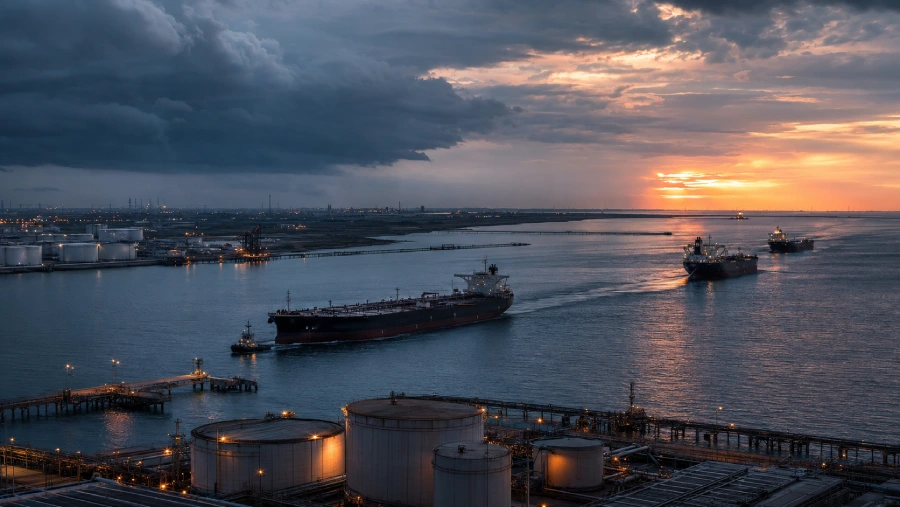
Begin with the war, which affects Iraq most directly. After a brief truce earlier in the month that had raised hopes, the conflict reignited: the US launched fresh strikes on Iran in what Central Command called “a powerful response” to an attempted Iranian attack on American forces, and President Trump indicated the interim deal with Iran is effectively off. Iran-backed Houthis warned they would target Saudi vessels attempting to reach the Indian Ocean, prompting some tankers to seek alternative routes. For Iraq, OPEC’s second-largest producer with more than 90% of government revenue tied to oil exports through Gulf waterways, this renewed instability is a serious concern, keeping shipping risks and the threat to Hormuz elevated.
Yet there was an important silver lining in the economic data. During the brief truce earlier in the month, oil and gas prices fell — and this helped cool US inflation. The Fed’s preferred inflation gauge, core PCE, rose just 0.1% in June, and headline PCE actually fell 0.1%, its first monthly decline since April 2020, largely because the truce lowered gas prices. This illustrates a crucial point for Iraq: peace lowers oil, which cools inflation, which benefits the global economy. The same dynamic that would stabilise Iraq’s oil exports would also support gold and ease global financial conditions.
On monetary policy, the US Federal Reserve held interest rates steady on Wednesday, though Chair Kevin Warsh sounded hawkish and three officials wanted a hike. This keeps a September rate increase possible, at around 60% probability. For gold, the hawkish Fed is a headwind, but the cooling inflation and a weaker dollar have provided support — which is why gold is finishing the month higher despite everything.
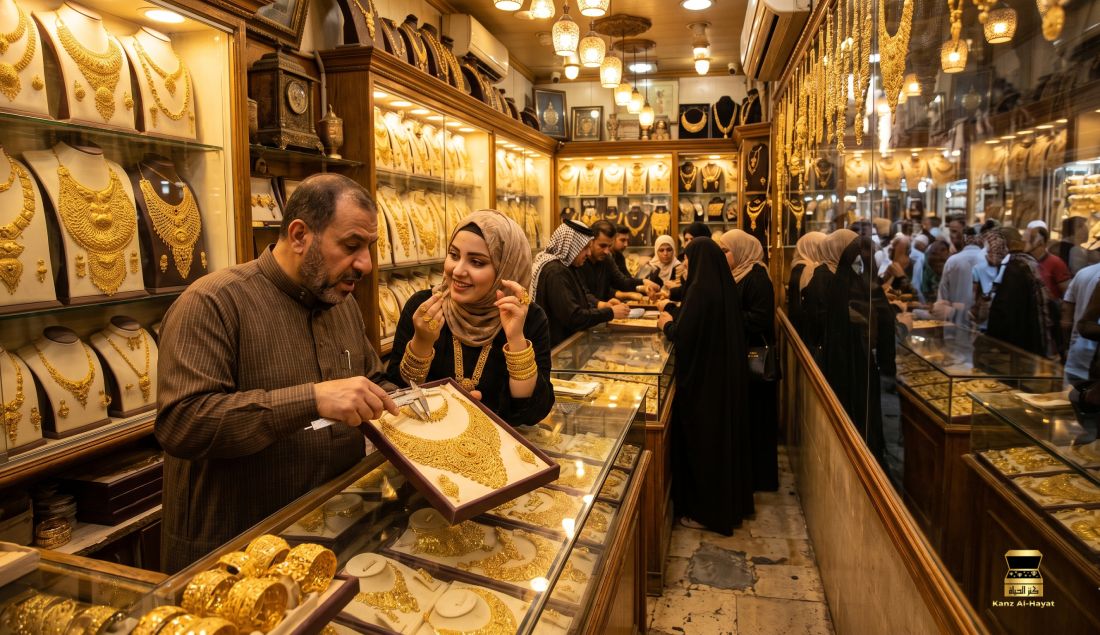
For Iraqi families who hold gold across generations, the enduring case remains firmly intact. Gold near $4,060 is about 27% below January’s record of $5,597, yet up roughly 21.5% over the past year, and it has posted its first monthly gain since February. The structural foundation is exceptionally strong: central banks bought a net 41 tonnes in May and 244 tonnes in the first quarter, with 89% of reserve managers expecting global holdings to keep rising. Even cautious analysts at Bank of America still see $5,000 gold once the Fed’s tightening ends.
For a nation that has weathered wars, sanctions, and upheaval across generations, the end of July brings a mixed but not discouraging picture. The war’s reignition is a genuine setback, but the month’s cooling inflation shows how peace would benefit everyone, and gold’s first monthly gain in five months signals resilience. The path toward a durable ceasefire — which would reopen Hormuz, stabilise oil, and lift both Iraq’s economy and gold — remains the outcome most worth hoping for. For Iraqi buyers, gold near $4,060 offers attractive value, anchored by relentless central bank demand.
Today’s prices: 24K — $130.40/gram | 22K — $119.55/gram | 21K — $114.10/gram
All prices USD. Indicative only. Volatile market. Please confirm in store.